FR
 EN
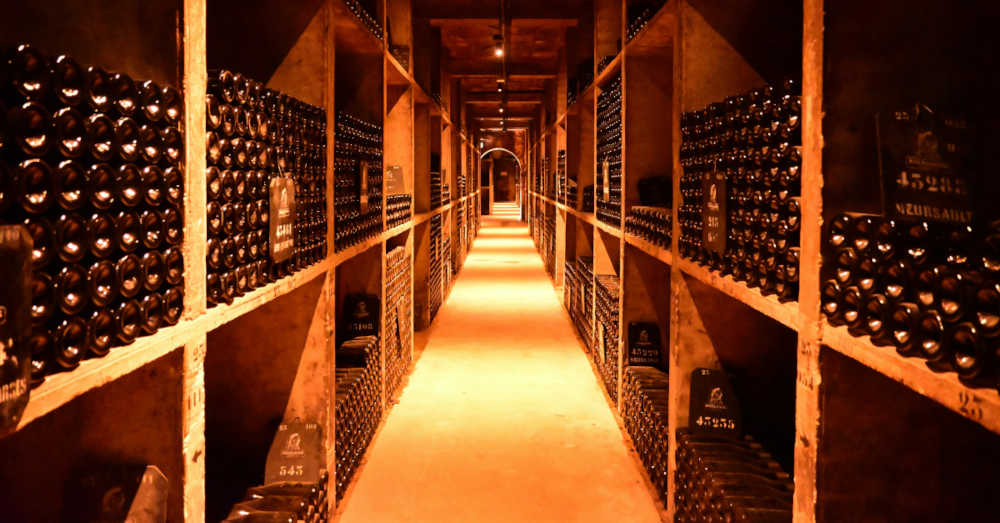
Setting up a wine cellar is often an exciting approach for lovers of gastronomy, food and drink pairings or even spirits and cocktails. To start with, Bordeaux remains an essential region thanks to the diversity of its terroirs, its aging potential and the wide variety of accessible styles.
For Cocktail Mag readers who want to enrich their beverage culture and discover references adapted to a first cellar, vinsetmillesimes.com makes it easy to explore different profiles of Bordeaux wines, from accessible bottles to vintages.
Why Bordeaux is ideal for starting a cellar
Diversity of styles
One of the great advantages of Bordeaux wines is their incredible diversity. Amateurs can discover soft and fruity reds, more powerful cuvées cut for aging, but also elegant dry whites.
This variety allows to gradually build a cellar adapted to different moments of tasting: gourmet meals, refined aperitifs, oenological discoveries or even pairings around an evening cocktails and spirits.
Bordeaux blends also offer a beautiful gateway to understand the influence of grape varieties such as merlot, cabernet sauvignon or cabernet franc.
Significant guard potential
Bordeaux is renowned worldwide for its aging capacity. Even some accessible bottles can evolve favorably for several years when stored in good conditions.
For an amateur who starts a cellar, this allows to learn gradually the aromatic evolution of wines: fresh fruits, woody notes, spices, leather or undergrowth appear over time.
Starting with a few bottles of wine also creates a living cellar, where some wines are destined to be tasted quickly while others will wait several years.
Accessibility of appellations
Contrary to popular belief, Bordeaux is not limited to prestigious grands crus. Many appellations remain financially accessible while offering a beautiful quality.
This accessibility is particularly interesting for a first cellar, because it allows to diversify bottles without immediately investing in very expensive references.
It is thus possible to discover several terroirs and styles in order to better understand your personal preferences before refining your selection.
Preferred appellations
Saint-Émilion and Pomerol
Amateurs who want to discover elegant wines, accessible from their early years while maintaining a great potential for evolution can start with a wine from Saint-Emilion Grand Cru.
The wines from Saint-Émilion and Pomerol often seduce with their velvety texture, roundness and ripe fruit aromas. They are an excellent introduction to the great wines of Bordeaux.
These designations also help to understand the major role of merlot in Bordeaux assemblages.
Bordeaux Superior and Haut-Médoc
To build a varied cellar, the Bordeaux Supérieur and Haut-Médoc appellations represent particularly interesting choices.
Bordeaux Supérieur often offers an excellent relationship between accessibility and quality, with fruity wines that are easy to enjoy relatively young.
Haut-Médoc, on the other hand, offers more structured profiles where Cabernet Sauvignon brings freshness, complexity and ability to guard.
Integrating these two styles allows you to balance your cellar between immediate wines and more ambitious cuvées.
Pessac-Léognan
Pessac-Léognan occupies a special place in the Bordeaux universe thanks to the quality of its reds but also its dry whites.
Reds often offer a beautiful tannic finesse and elegant notes of black fruits, spices and noble wood.
Dry whites, much appreciated by gastronomy lovers, perfectly accompany seafood, some cheeses or culinary creations inspired by the cocktail universe.
For a balanced cellar, this name brings a real diversity.
Wine styles to integrate as a priority
Soft wines to drink young
A beginner's winery must contain quickly accessible bottles in order to familiarize itself with different aromatic profiles without waiting several years.
Flexible and fruity wines are perfect for convivial meals, aperitif boards or tastings with friends.
They also make it easy to explore the pairings between dishes, wines and certain mixological creations around fruity, spicy or woody flavors.
Structured wines for aging
To learn how to age wine, it is interesting to gradually integrate some more structured cuvées.
These wines generally have more marked tannins, a beautiful aromatic concentration and a higher potential for evolution.
After several years of aging, they develop complex aromas particularly sought after by tasting enthusiasts.
Exceptional wines for evolution
Even in a beginner's cellar, keeping a few more ambitious bottles can be a great idea.
These exceptional wines allow you to discover the evolution of the great Bordeaux wines over the long term and bring a heritage dimension to the cellar.
They can also be booked for special occasions, gourmet meals or tastings around the world of spirits and refined pairings.
How to compose a balanced cellar
To start a Bordeaux wine cellar, the ideal is to vary the profiles and periods of consumption.
For example, a balanced cellar can contain:
- accessible wines to drink within two to three years;
- intermediate cuvées to be kept between five and eight years;
- a few bottles of guard for future tastings.
It is also advisable to diversify the appellations in order to gradually discover the specificities of Bordeaux terroirs.
Finally, preservation plays a key role: stable temperature, low luminosity and good humidity allow the wines to evolve in the best conditions.
For Cocktail Mag readers, developing a Bordeaux wine cellar is also a great way to expand its culture of drinks, chords and tasting, in addition to the world of cocktails and spirits.